
By Butt Oil Traders Team. Price check: 4 October 2026.
Quick answer: For hi-octane vs regular petrol in Pakistan, use the fuel grade your exact manual requires. Higher octane alone does not promise better mileage. PSO lists hi-octane in Lahore at Rs 410 per litre and regular petrol at Rs 392.76 per litre, checked on 4 October 2026. Its regular-petrol table excludes freight. Compare final pump prices, then work out your own fuel cost per kilometre.
You need four things before paying extra: a current pump quote, your manual’s fuel requirement, a fair cost calculation and a reason to change. Keep those separate. A low price does not make unsuitable fuel right for your engine. An expensive fuel or additive does not prove that it will solve a problem.
Hi-octane vs regular petrol in Pakistan: what do prices cover?
These are published reference figures, not a live quote from every filling station. The official PSO fuel-price page showed the following when checked:
| PSO product / location | Listed Rs per litre | Effective date shown |
|---|---|---|
| Octane Euro 5 / Lahore | 410.00 | 30 September 2026 |
| Octane Euro 5 / Karachi | 410.00 | 30 September 2026 |
| Octane Euro 5 / Rawalpindi | 410.00 | 30 September 2026 |
| Premier Euro 5 / POL table | 392.76 | 3 October 2026 |
PSO states that its POL table excludes applicable freight to the retail outlet. The final selling price includes that freight. So subtracting the two published figures does not establish your actual saving at a Lahore pump.
Check the date beside each fuel, not just the date at the top of an article. Shell’s 3 October price board lists Super at Rs 392.76 per litre; it does not quote V-Power there.
We have not verified Attock or other suppliers’ outlet prices here. Confirm the grade, final price and availability with your chosen station before making a special trip.
Check 1: Are you comparing the final pump prices?
Ask for the final price per litre of each fuel you are considering. Note the station, date and grade. A screenshot without that context can stay on your phone long after the rate changes.
Use the same basis for both prices. Do not compare one company’s reference rate with another station’s retail price and call the gap a saving. Read the dispenser before filling and keep the receipt for your own record.
For budgeting, this simple formula works with any two verified pump prices:
Extra cost = litres bought × difference in price per litre.
| Example price gap | Extra for 20 litres | Extra for 40 litres |
|---|---|---|
| Rs 5 per litre | Rs 100 | Rs 200 |
| Rs 10 per litre | Rs 200 | Rs 400 |
| Rs 20 per litre | Rs 400 | Rs 800 |
These are maths examples, not today’s quoted gaps. Put your own two pump prices into the formula. It also helps you spot when a small per-litre difference becomes a large monthly expense.
Check 2: What fuel does your exact manual require?
Octane rating describes resistance to engine knock. It is not an energy-content score. The US Department of Energy and EPA fuel guide advises following the vehicle maker’s octane requirement. Higher octane generally offers little or no benefit in normal driving when the engine does not need it.
Read the fuel section for your model year, engine and market. Distinguish a minimum requirement from a recommendation for best performance. Do not choose by the car’s price, appearance or a friend’s experience with a different engine.
Also check the rating system. US pump labels commonly use an anti-knock index, while many other manuals use RON. The same numeral in those two systems is not the same fuel specification. Do not copy an American pump number into a Pakistani fuel decision without checking the manual’s units.
Take these details to the workshop if the wording is unclear:
- Model year and full variant, including engine.
- The market for which the vehicle was supplied.
- A clear photo of the manual’s fuel page.
- The pump grade you currently use.
- Any symptom, including when it happens.
We have deliberately left out a universal car-to-RON chart. Without each exact manual, such a chart can look useful while hiding important differences. One verified instruction for your car is worth more than a long list of guesses.
Check 3: What does each kilometre actually cost?
Compare running cost, not just the number of kilometres shown on the dashboard. Keep a simple log of fuel bought and distance travelled. Use several similar full-tank intervals; traffic, AC use, route and load can make one tank a poor comparison.
Fuel cost per kilometre = price per litre ÷ measured kilometres per litre.
Here is a fictional calculation to show the method. It is not a BOT road test or a performance claim:
| Example | Price / litre | Measured economy | Fuel cost / km |
|---|---|---|---|
| Fuel A | Rs 390 | 12 km/L | Rs 32.50 |
| Fuel B | Rs 400 | 12 km/L | Rs 33.33 |
| Fuel B, different measured result | Rs 400 | 12.5 km/L | Rs 32.00 |
The last row is only useful if your own repeatable results support that economy figure. It is not a prediction. At equal economy, the dearer fuel costs more per kilometre. If the manual requires the dearer grade, follow that requirement regardless of this comparison.
Start a full-to-full log with the date, odometer reading and pump receipt. At the next full tank, record the litres bought and the distance since the first fill. Divide that distance by those litres for your measured km/L. Keep the same fill method.
Record route, traffic, AC use and load beside the result. If those conditions differ a lot, keep the entry but do not use it as proof that one fuel is better. Never run below the fuel grade your manual requires just to test a cheaper option.
Write down unusual trips too. A motorway weekend and a week of short Lahore journeys are different tests. Avoid changing fuel, tyre pressure and driving route together, then crediting one change for the whole result.
A partial fill is still a useful spending record. Keep it in your log, but wait for the next comparable full-tank interval before calculating fuel economy.
Check 4: Is an octane booster justified, and what is its real cost?
Before buying an additive, check both your vehicle manual and the exact product label. The name on the front of a bottle is not enough to confirm dose, compatibility or a final octane rating. Do not turn an unverified claim about “points” into a promised RON increase.
BOT’s product page listed Flamingo F055 Octane Booster (354ml) at Rs 599 during this check. This is a dated catalogue observation, not a dosage recommendation. Confirm the current product details before purchase. We have not verified its treatment volume or octane uplift for this article.
The cost calculation is straightforward once you have an approved, verified dose:
Additive cost per litre = cost of the dose used ÷ litres that dose treats.
For example, a fictional Rs 600 dose used in 40 litres adds Rs 15 per litre. Added to a fictional Rs 390 fuel price, that makes Rs 405 per litre before any other cost. This example does not say a BOT product treats 40 litres or makes the fuel equivalent to a premium grade.
Ask these questions first:
- Does the vehicle maker allow this type of additive?
- What does the current label say about dose and fuel volume?
- Is there credible evidence for the result being claimed?
- Would buying the required fuel directly be simpler?
Do not increase the dose because the first attempt failed to resolve a noise. Persistent knocking needs a workshop diagnosis. This article cannot identify the cause from a sound description alone.
Related BOT video
Our video on injector cleaner versus octane booster, published on 6 April 2026, covers a related product-choice question. It is not a current fuel-price quote or a vehicle-specific dosing instruction.
Key takeaways for your next fill
Photograph the manual’s fuel requirement and compare it with the station’s grade. Confirm the final price. Keep the receipt, record the litres and use the same cost method next time.
Fuel choice is separate from oil choice. If a service is also due, browse our engine oil range and confirm the required oil specification for your engine. A fuel additive does not replace routine maintenance.
For help reading a requirement, send your model, year, engine and manual photo on WhatsApp. Butt Oil Traders serves Lahore from its physical outlet. For a doorstep oil-change booking, ask the team to confirm the slot and applicable service terms.
Frequently asked questions
Is the price shown here valid at every petrol station?
No. The table is a dated PSO reference. It does not confirm another company’s current price, station stock or final freight-inclusive rate. Check the dispenser before filling.
Does a premium fuel name prove that my car needs it?
No. Use the requirement for your exact vehicle. If the manual distinguishes required fuel from recommended fuel, read the full instruction before deciding.
Can I compare two different octane boosters by bottle price?
Bottle price alone is incomplete. You need the verified dose, treatment volume and vehicle compatibility. Compare cost per treated litre only after those checks.
Can this guide give me a guaranteed mixing ratio?
No. It provides no universal mixture or additive dose. Use the correct specified fuel and follow your vehicle maker’s instructions.
Where should I start if I want to spend less?
Check the manual, compare current retail quotes and measure your own cost per kilometre. Avoid paying for an unsupported performance promise. Do not cut costs by using a fuel below the stated requirement.
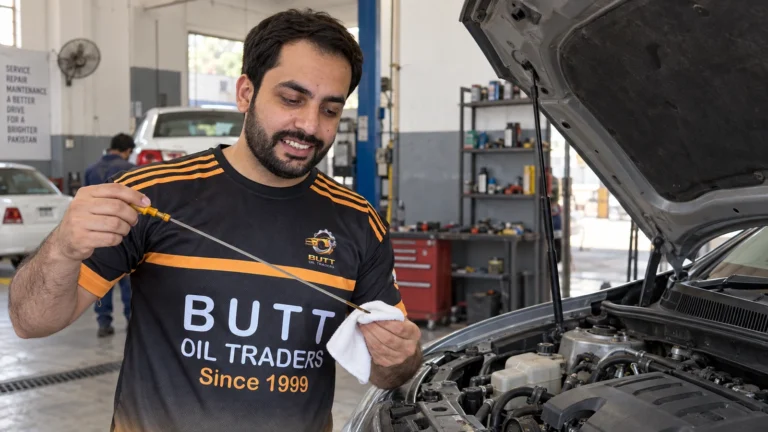
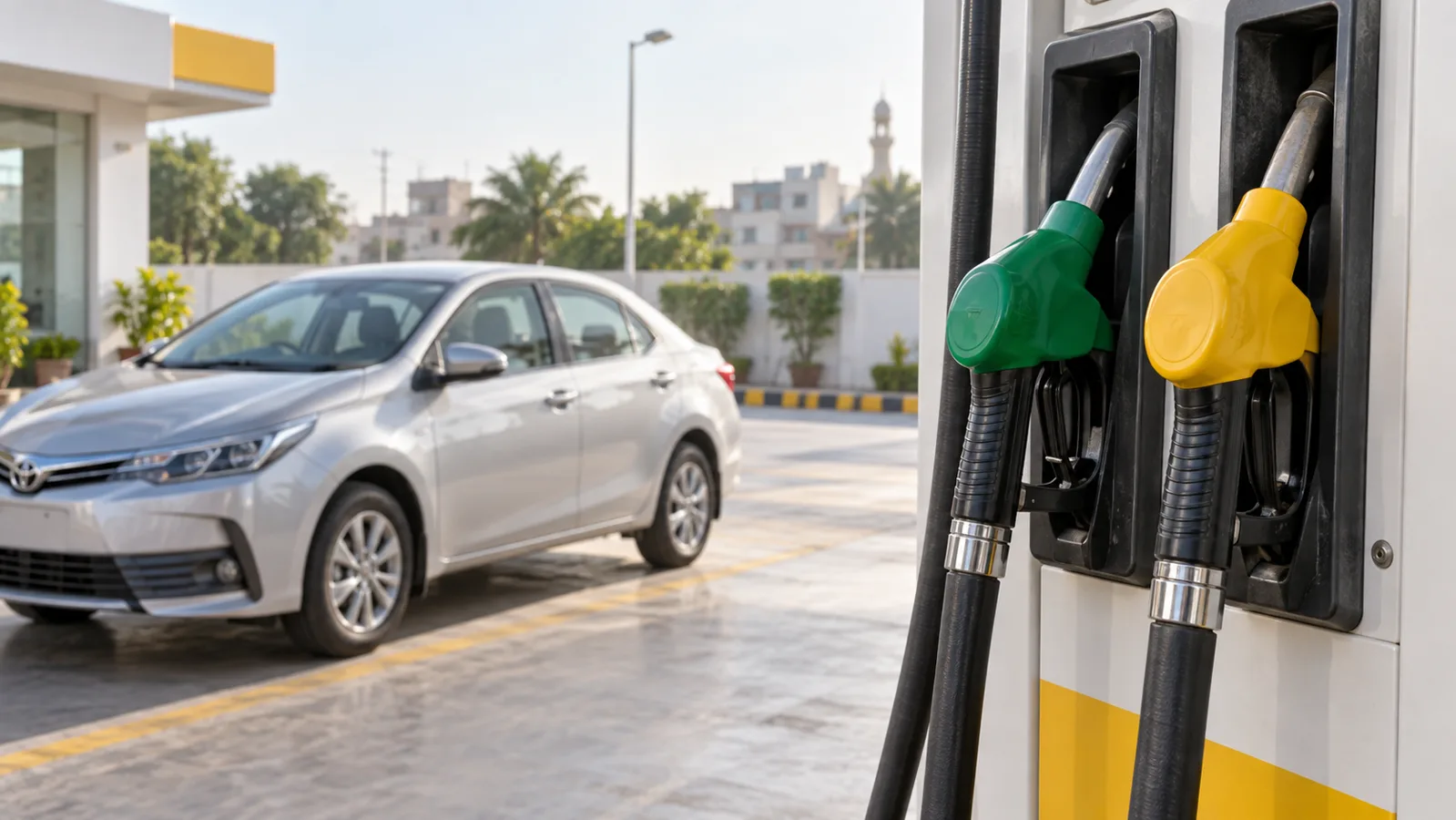
The featured image is an AI-generated illustration, not a photograph of a BOT customer or outlet. Prices were checked on 4 October 2026 and can change. Worked examples are calculations, not measured vehicle results.