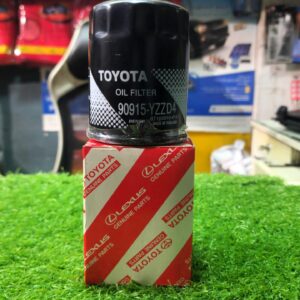


You can check your car’s engine oil in about five minutes: park on level ground, follow the waiting method in the owner’s manual, wipe the dipstick, insert it fully, then pull it out again and read the level. The oil should normally sit between the minimum and maximum marks. If it is below minimum, do not keep driving until you have checked the correct oil and topped up carefully.
What you need
- A clean, lint-free cloth or plain paper towel
- Good light
- Your vehicle owner’s manual
- The correct engine oil only if a top-up is needed
Do not use a dirty workshop rag that can leave grit or fibres on the dipstick. Keep loose clothes, hands and the cloth away from belts, fans and hot parts. Never remove the dipstick while the engine is running.
How to check engine oil with a dipstick
Stop on flat ground, select P or neutral as appropriate, apply the parking brake and switch the engine off.
Use the exact timing in your manual. A rushed check can give a false reading because oil has not drained back into the sump.
Pull out the dipstick and wipe it clean from the handle toward the tip with a lint-free cloth.
Put the dipstick all the way back into its tube. If it is not fully seated, the second reading will be wrong.
Pull it out once more, keep the tip down and inspect both sides. Use the lower clear reading if the two sides differ.
This wipe–insert–read method is consistent across current guidance from Ford, Hyundai and Kia. Their wait times differ, which is why a universal “check it hot” or “check it cold” rule can be misleading.
How to read the dipstick marks
Most dipsticks show a safe zone using two dots, two lines, an L/F pair, a MIN/MAX pair or a cross-hatched area. Oil inside that zone is normally acceptable. A reading near or below the lower mark means the engine needs attention. A reading above the upper mark can also be harmful, so more oil is not automatically better.
| Reading | What it means | Next step |
|---|---|---|
| Between MIN and MAX | Usually within the acceptable range | Reinsert the dipstick fully and close the bonnet |
| At or below MIN | Oil level is too low or needs immediate confirmation | Check the manual, correct grade and top-up quantity; inspect for leaks |
| Above MAX | Possible overfill or another fault | Do not add more; have the excess or cause checked |
| Milky, foamy or metal-flecked | This is not a normal clean reading | Avoid guessing; arrange a mechanical inspection |
Swipe sideways to see the full table on a small screen.
What should the oil look like?
Colour alone does not tell you whether engine oil is healthy. Fresh oil is often amber, but oil can darken during normal use because it holds contaminants in suspension. The level, texture, smell, warning lights, service history and the manufacturer’s interval matter together.
Look for a clear wet line across the dipstick. Bubbles immediately after switching off can settle, but persistent foam, a creamy residue, a strong fuel smell or visible metallic particles deserve inspection. If the level keeps falling between checks, record the mileage and reading instead of repeatedly topping up without finding the cause.
How much oil should you add?
Do not pour in a full litre simply because the reading is low. The distance between MIN and MAX is not identical on every engine. Check the manual, use the specified viscosity and performance standard, add a small measured amount, wait, then check again. A funnel helps prevent oil spilling onto hot or electrical components.
If you do not know the existing oil grade, do not mix products at random. Share the car model, model year, engine size and current mileage with a qualified workshop. Butt Oil Traders can help you check the relevant manual requirement before you choose from the current engine oil range.
Five common dipstick mistakes
- Checking on a slope. Oil pools to one side of the sump and can make the level appear higher or lower.
- Reading the first pull. Oil splashed inside the dipstick tube can smear the stick. Wipe it, reinsert it fully and read the second pull.
- Using one wait time for every car. Suzuki guidance for some models permits checking before start or after a shorter wait, while several current Hyundai and Kia manuals specify warming the engine and waiting about 15 minutes.
- Reading only one side. If the two sides differ, use the lower clean reading and repeat the check if necessary.
- Overfilling. Extra oil can create its own problems. Add gradually and stop at the correct mark.
When the dipstick has no clear reading
Clean the dipstick and repeat the check once, making sure it is fully seated. Bright light and a white tissue behind the tip can make the wet line easier to see. If the oil smears far above the normal range, wait according to the manual and try again. A damaged, bent or incorrect dipstick should be replaced with the correct part.
Some modern vehicles use an electronic oil-level display instead of a traditional dipstick. Follow the dashboard procedure in that vehicle’s manual. Do not assume that the warning lamp is a substitute for routine checks; a low-pressure warning can represent a more urgent problem than a simple level reminder.
How often should you check it?
Check before a long trip, after an oil change, when a warning appears, when you notice a leak, and regularly between services. Older or high-mileage engines may need closer observation. If the level changes noticeably over a short distance, write down the date, mileage and amount added so a mechanic has useful evidence.
For a practical look at a complete service, watch our recent Toyota Yaris oil-change Short. The video is a nearby service reference; the owner’s manual still decides the exact checking method and oil specification for each vehicle.
Frequently asked questions
Should I check engine oil hot or cold?
Use the vehicle manual. Some manufacturers allow a check before starting; others specify warming the engine and waiting after shutdown. The goal is a consistent reading on level ground after oil has settled as instructed.
Can I drive if the oil is below minimum?
Do not treat a below-minimum reading as safe. Confirm the reading, check for a leak, use the correct oil and add only the amount the manual allows. If a red oil-pressure warning is on, switch off and arrange help.
Is black engine oil always bad?
No. Oil can darken during normal service. Judge it with the mileage, service interval, level, smell, texture and vehicle requirements rather than colour alone.
What if the dipstick shows oil on one side only?
Wipe it and repeat the check. Keep the tip down and inspect both sides. Where the readings differ, current Ford guidance says to use the lower reading.
What details are needed to choose a top-up oil?
Share the make, model, model year, engine size, mileage and the oil specification already in use. The manual’s viscosity and API, ACEA or manufacturer approval should guide the choice.
Unsure about your reading?
Send your car model, year, engine size, mileage and a clear photo of both sides of the dipstick. Our Lahore team will help you identify the next sensible check.
Ask Butt Oil Traders on WhatsApp
Same-day and pre-booked doorstep oil-change service is available across Lahore, subject to slot confirmation. You can also read about our doorstep service.