

By Butt Oil Traders Team. Sources checked: 22 September 2026.
Quick answer: synthetic vs mineral engine oil Choose an oil that meets the viscosity, oil spec and approvals listed in your engine manual. “Fully synthetic” alone does not prove it is the right oil. A car’s age, mileage or hybrid badge cannot replace its owner’s manual. Compare costs after checking the oil quantity and service schedule.
Shopping for engine oil in Pakistan can mean comparing a familiar brand, a cheaper pack and a premium synthetic product on the same shelf. The useful question is which of those exact products meets the needs set out in your car’s manual.
Once that is clear, you can compare the full service cost without paying for claims your engine does not need.
Synthetic vs mineral engine oil: what is the difference?
Mineral, semisynthetic and synthetic describe the base oil used to make the oil. They do not tell you everything about the finished oil.
The additives, test results and carmaker approvals also matter. LIQUI MOLY explains that the term synthetic can mean different things in different markets. Check the oil spec when you choose a pack. Read the brand’s guide.
Swipe sideways to read the full table.
| Type | What the term describes | What to check before buying |
|---|---|---|
| Mineral | A formulation based on refined mineral base oils. | The exact viscosity and performance specifications required by the engine. |
| Semisynthetic | A blend involving mineral and synthetic base oils. | The product datasheet; do not assume a fixed synthetic percentage. |
| Synthetic | A formulation using synthetic base-oil technology; terminology can vary. | The named product’s specifications and approvals, rather than the marketing term alone. |
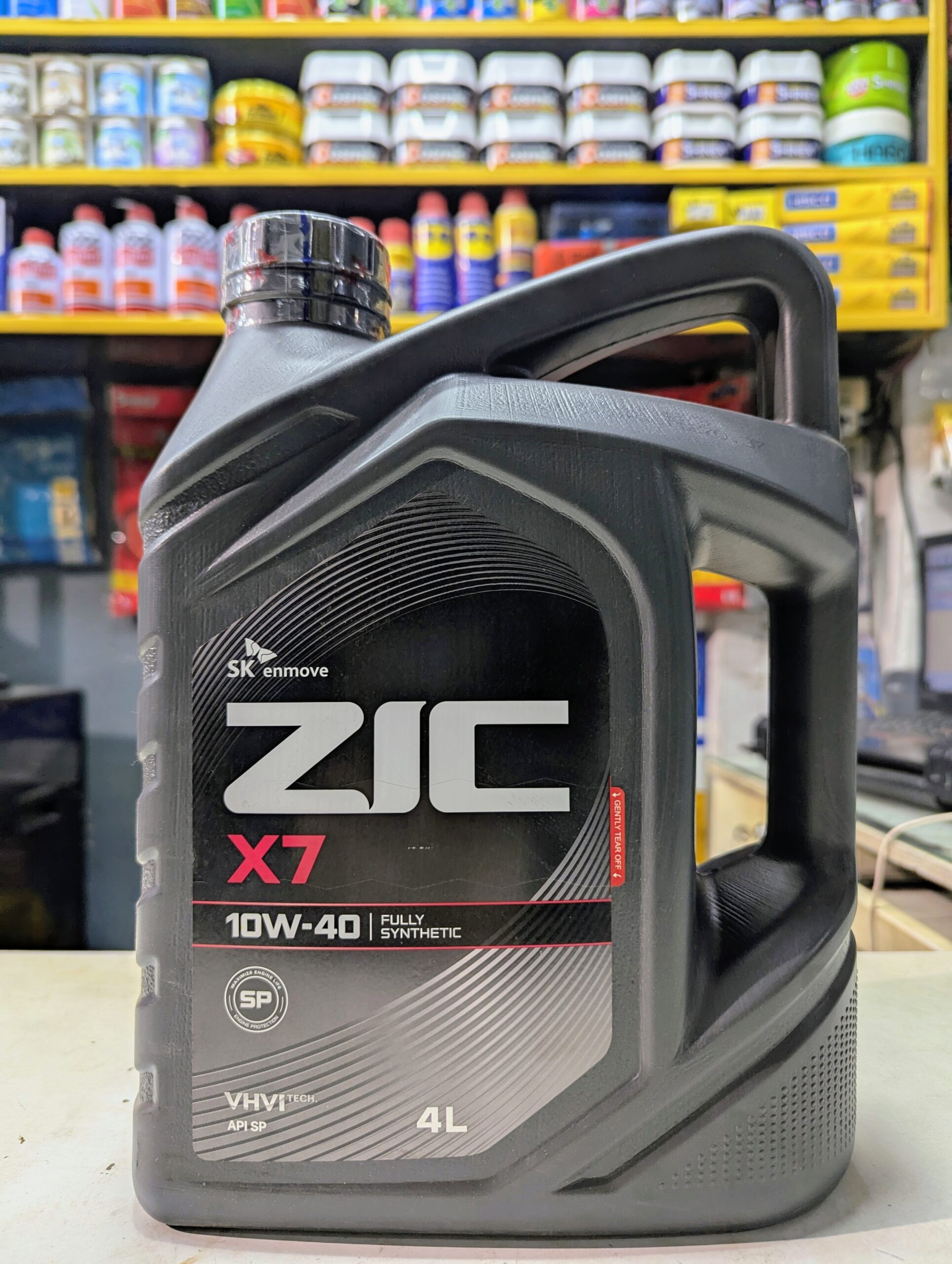
Two packs described as synthetic can serve different engines. Likewise, a grade such as 5W-30 is not a full oil spec. Ask for the full product name and current datasheet when comparing similar bottles. LIQUI MOLY’s oil-type guide explains how the base oils differ.
What should I check on the manual and bottle?
Start with the manual for the correct model year, engine and market. An imported car may not share the same requirements as a locally sold model with a similar name. If you cannot find the engine code or the correct manual, resolve that before you buy the oil a shop suggests.
Write down the required viscosity, oil quality standard and any carmaker approval. Then match those details with the exact pack and its datasheet. ExxonMobil’s product guidance likewise tells buyers to check viscosity, API classification and builder approvals. See the Mobil product guidance.
API’s consumer guide explains its oil-quality marks. These can help you understand the label, but a mark should not be used as a shortcut around the vehicle requirements. Read API’s Motor Oil Guide.
Does an older car automatically need thicker mineral oil?
Do not use a blanket rule such as “mineral before 2005” or “synthetic after 2015.” Those dates do not tell you which oil the engine needs. The same applies to advice based only on the miles or kilometres on the clock.
If an engine is using oil, leaking or behaving differently, have it checked. A new oil type is not a fix for a leak or fault.
For hybrids, turbocharged cars and motorcycles, check the exact vehicle manual. One grade will not suit every engine in the group. This article does not give a universal grade, capacity or interval for an Alto, Corolla, Prius, Haval or any other model. A specific recommendation needs the right manual and proof that the oil meets it.
Can synthetic oil stay in the engine longer?
Do not extend a service interval simply because the new bottle says synthetic. Mobil recommends following the oil and filter change schedule set by the carmaker. That includes the time limit, not just distance. See Mobil 1’s maintenance FAQs.
For Lahore use, describe your actual driving to the workshop: short trips, frequent idling, dusty routes or other harsh use. Check how the carmaker sets its normal and severe service schedules. There is no single “Lahore interval” given here, and this guide does not claim a measured engine temperature for the city.
How do I compare the real cost of an oil change?
Ask for a full quote for the oil, how much you need, the filter and labour. Delivery or doorstep service charges should be shown separately where applicable. A 3-litre pack and a 4-litre pack are not the same amount of oil. Neither the cheapest bottle nor the most expensive bottle proves the best overall value.
Use this calculation only with a service interval from the manual for your engine and use: service cost per 1,000 km = total service cost ÷ applicable kilometres × 1,000. This is a budgeting tool, not permission to extend an oil-change interval.
Example sums only — these are not BOT prices or service advice: if two suitable options cost Rs 6,000 and Rs 8,000 for the same complete service and both use a confirmed 5,000 km interval, their calculated costs are Rs 1,200 and Rs 1,600 per 1,000 km.
The higher-priced option is not cheaper just because it is synthetic. If a time limit arrives before the distance limit, compare services per year instead.
See the current engine-oil catalogue for listed products and prices. Confirm the exact pack and full quote before ordering. Historical prices and assumed intervals from an earlier version of this article should not be used as a current quotation.
Can I mix synthetic and mineral engine oil?
Mobil says its Mobil 1 oils are compatible with conventional, semisynthetic and other synthetic motor oils when mixing is necessary.
Its technical advice also discourages routine mixing because a mix may not work as well as the oil on its own. This is not evidence that every mix will meet the needs of your engine. Read Mobil’s mixing advice.
Use the vehicle’s topping-up procedure and a suitable oil. If you do not know what is already in the engine or which product is suitable, seek help from a trained mechanic first. Do not confuse engine oil with transmission fluid, coolant or other vehicle fluids.
What does engine oil do, and what benefits should I compare?
Engine oil has several jobs. It lubricates moving parts, helps keep the engine clean and carries heat away from hot areas. Shell describes these functions in its engine-oil FAQs. Those jobs depend on a suitable finished oil and proper servicing, not simply the colour of the bottle.
When comparing products, look for evidence in these areas:
- Cold operation: the required viscosity and how that oil flows when cold.
- Heat and deposits: performance tests and approvals for your engine.
- Service cost: price for the needed quantity, the filter and the applicable interval.
Mobil describes stronger results in cold and hot use for its Mobil 1 range compared with its synthetic blends. That comparison does not prove the same gap between every pair of brands. Nor does it guarantee a fuel-economy gain for your car. Read the named product’s evidence before paying for an advertised benefit.
What do current BOT price examples actually show?
Website prices checked on 22 September 2026: these are two listed packs, not oils you can swap for each other or complete oil-change quotes. Their grades and pack sizes are not the same. Match the manual before selecting either one.
Swipe sideways to read the full table.
| Listed product | Pack | Listed price | Ordering note |
|---|---|---|---|
| Liqui Moly Molygen 0W-20 | 1 litre | Rs 4,000 | Confirm the quantity and exact oil spec you need. |
| Liqui Moly Molygen 5W-30 | 4 litres | Rs 14,600 | The page showed out of stock at this check. Ask about availability; this is not a delivery promise. |
A listed price is useful for budgeting. It does not show that the oil meets the spec in your car manual or that one bottle supplies a full service. Recheck the linked page before ordering, because price and stock may change.
What should I check when switching oil or booking a service?
For an old, new or high-mileage car, make the switch a choice you can check and record. Do not change grade just because a friend uses a different oil. Ask the workshop to explain the oil choice in terms of the manual, especially if the engine has existing leaks, oil use or an unknown service history.
- Bring the last service record and the correct manual if available.
- Confirm the exact product, required quantity and matching filter.
- Record the service date, odometer and next due date or distance.
- Keep the invoice with each cost on it so the next service does not depend on memory.
For short city trips or long journeys, follow the schedule that applies to your use. The route alone does not establish a grade. Check the oil level using the steps in the manual. Ask for help if you cannot find those steps.
What if there is a warning light, leak or dirty-looking oil?
A warning light or a new noise or leak needs attention to its actual cause. Do not treat every warning as a sign that you need a dearer oil. Read the warning instructions for your vehicle and have the fault checked. Choosing an oil cannot tell you what caused a fault.
Likewise, this article does not tell you to wait until oil looks dark before servicing it. Use the relevant schedule and steps for checking the oil level. If a workshop recommends an early change, ask what evidence supports it. If it recommends a longer interval, ask where the manual says you can do that.
Does engine oil have a shelf life?
Check the brand’s advice on how to store that oil. Mobil gives a shelf life of up to five years for its engine oils. That statement should not be used as a rule for every brand or an opened bottle. Read Mobil’s shelf-life answer.
Before using stored oil, check the pack’s age, seal, storage history and oil spec before use in the engine. A sealed container on a shelf and oil already inside an engine are not the same thing. Do not use a shelf-life figure as an engine service interval.
The BOT five-point buying check
Use these five checks to plan what to buy. They do not replace a car manual or a check for faults.
- Identify the engine: model, year, engine code and market.
- Read its requirements: viscosity, performance specification and approvals.
- Verify the product: exact name, pack size, label and datasheet.
- Confirm the service: quantity, matching filter and applicable schedule.
- Compare the full quote: itemised price, service scope and seller details.
Summary: before you buy
- Match the exact needs set out in the engine manual before comparing prices.
- Use a verified service schedule in every cost check.
- Confirm the pack, filter and full quote before ordering.
Frequently asked questions
Is fully synthetic always the best choice?
Choose a product that meets the exact needs set out in the engine manual. A synthetic label does not make a wrong viscosity or missing approval suitable.
Can I choose oil by car age alone?
No. Use the correct manual and product specifications. Age and mileage alone are not enough to choose the right oil.
Should I change oil after a fixed number of kilometres?
Follow the distance and time limits in the schedule in your manual. This guide does not give one service interval for all mineral or synthetic oils.
Does this guide promise fuel savings or repair a leak?
No. It provides a buying process. You need proof of savings for your own car. A mechanic needs to check what has gone wrong before trying to fix it.
What information should I send before ordering?
Send your model, year, engine details, the manual’s oil requirements and the oil you plan to buy. Ask for the exact pack, quantity, matching filter and itemised quote.
Need help comparing suitable oils?
Send your vehicle details and oil spec from your manual to Butt Oil Traders. We can help check the options in stock and current quote before you order.
Editorial correction: this revision removes unsupported model-year rules, universal intervals, city-temperature claims, repair anecdotes and guaranteed savings from the earlier text. Product prices were checked separately on the date shown above.