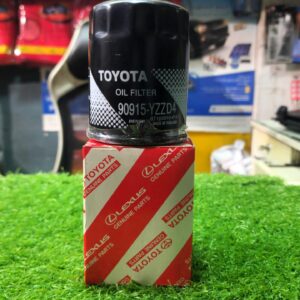


A useful maintenance plan keeps scheduled work, inspection findings and spending visible. It can help identify concerns before a breakdown, but no routine service guarantees that a vehicle will avoid repairs or sell for a particular price.
Keep a service record
Record the date, odometer, oil specification, quantity, filter parts and work completed. Keep the invoice and the next due date or distance from the vehicle’s applicable maintenance schedule.
Compare the same work
Ask for the complete oil name, required specification, service quantity and filter identity before comparing quotes. Confirm the work included and the total rather than choosing only by the price of a bottle.
Inspect fluids and wear items
Follow the manual for checking oil, coolant, brake fluid and other fitted systems. Have unusual level changes, leaks, warning lights or noises assessed. Fluid colours and broad product labels do not establish compatibility.
Separate scheduled maintenance from diagnosis
An oil change does not identify the cause of every engine noise, and a new air filter does not guarantee a fuel-economy improvement. Ask the technician to explain any finding and the proposed repair before approving additional work.
Prepare for longer journeys
Check whether scheduled service is due and follow the vehicle manual’s checks for tyres, lights and other items. If there is a warning or a known fault, have it assessed before relying on the car for a trip.
Plan with actual costs
Use your real annual mileage, service schedule and invoices to estimate the budget. Compare costs over time; avoid fixed savings or resale-value claims that do not reflect your own vehicle.
Contact Butt Oil Traders on WhatsApp for help comparing available engine oils and filters. Browse current products and confirm the correct specification before ordering.