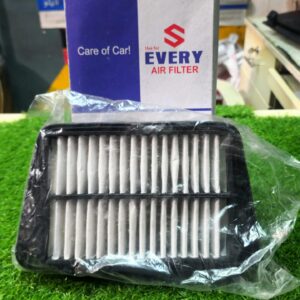


Air filters play a critical role in protecting your vehicle’s engine. They clean the air entering the engine by trapping dust, sand, dirt, and harmful particles. Without a properly functioning air filter, contaminants can enter the engine and reduce its performance. Using a genuine air filter ensures your engine receives clean air for smooth combustion, better efficiency, and long-term protection.
1. How Air Filters Protect Your Engine
The engine requires a balanced mix of air and fuel for proper combustion. A genuine air filter:
Blocks harmful dust and debris
Maintains proper airflow
Supports smooth engine breathing
Prevents internal wear
Clean air improves combustion, which results in better power and fuel efficiency.
2. Risks of Low-Quality or Local Filters
Many vehicle owners choose cheap, low-quality filters to save money. However, poor-quality filters:
Clog quickly
Allow dust to pass through
Reduce fuel economy
Increase engine strain
Wear out faster
These issues can lead to costly engine repairs in the long run.
3. Impact on Fuel Efficiency
A clogged or poor-quality filter restricts airflow, forcing the engine to burn more fuel.
Signs of reduced efficiency include:
Lower mileage
Sluggish acceleration
Rough engine performance
Replacing your air filter on time improves mileage and saves money on fuel.
4. When Should You Replace Your Air Filter?
Most manufacturers recommend replacing the air filter every:
 10,000 to 15,000 km Sooner in dusty or polluted areas During routine service checks
Regular inspection ensures optimal engine health.
5. Why Investing in Genuine Filters Saves Money
Spending slightly more on a genuine air filter provides:
Longer engine life
Improved performance
Better fuel economy
Reduced maintenance costs
Enhanced reliability
Preventive care always costs less than engine repairs.